Buyer's guide · robot vacuums
Best Self-Emptying Robot Vacuum (2026)
A self-emptying dock turns a twice-weekly chore into a twice-a-month one. Here are the robot vacuums with the best docks in 2026, and what the bags actually cost.
Disclosure: We earn commissions from links on this page, as an Amazon Associate we earn from qualifying purchases, at no extra cost to you. This never affects what we recommend. Read our editorial standards →
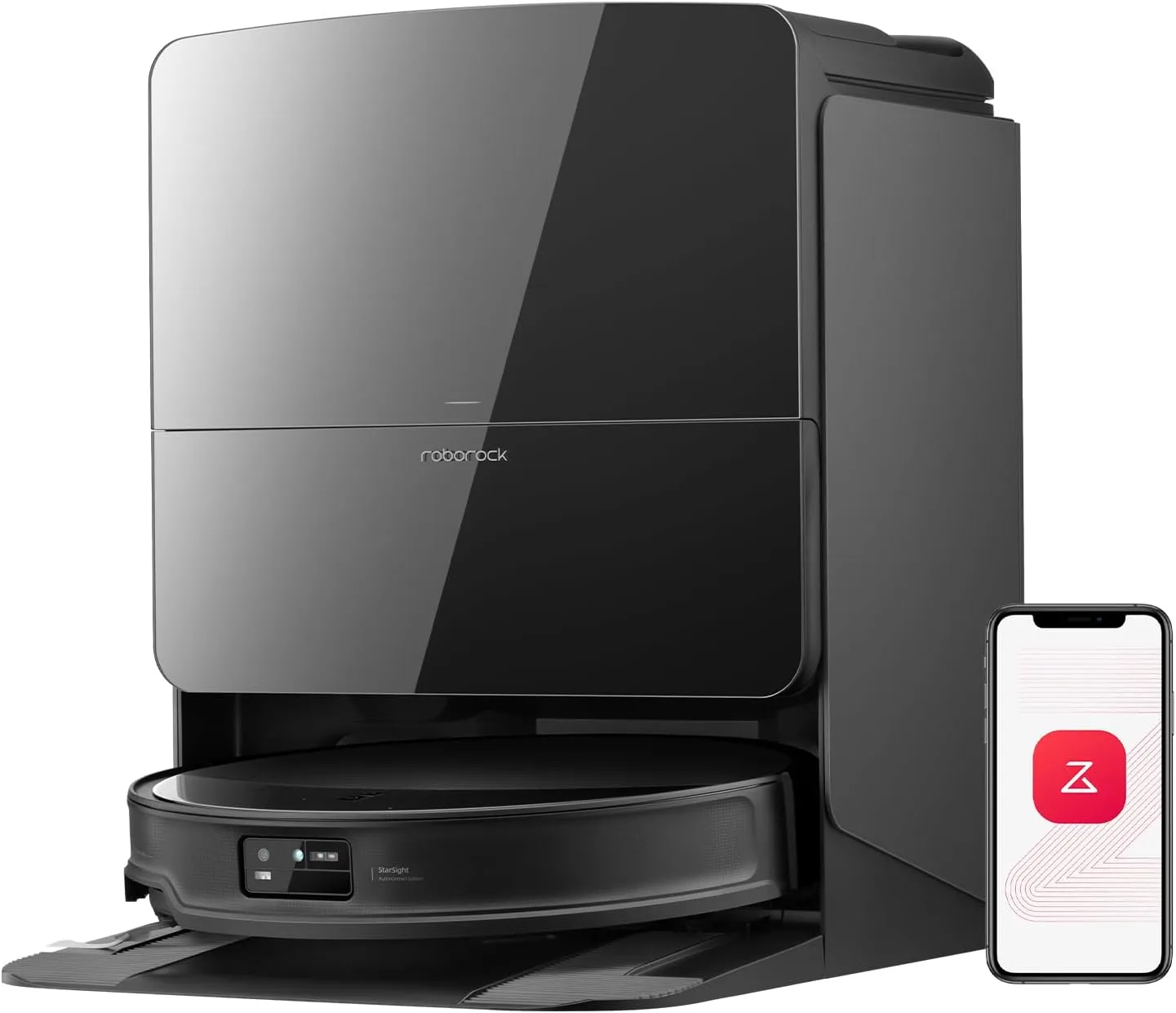
Roborock
Roborock Saros 10R
Model: Saros 10R
The flagship that does everything well. Its multifunction dock self-empties the bin, and the robot itself brings solid-state LiDAR navigation, strong suction, and a slim profile that gets under furniture. If you want one robot that empties itself and handles every surface without fuss, this is the default.
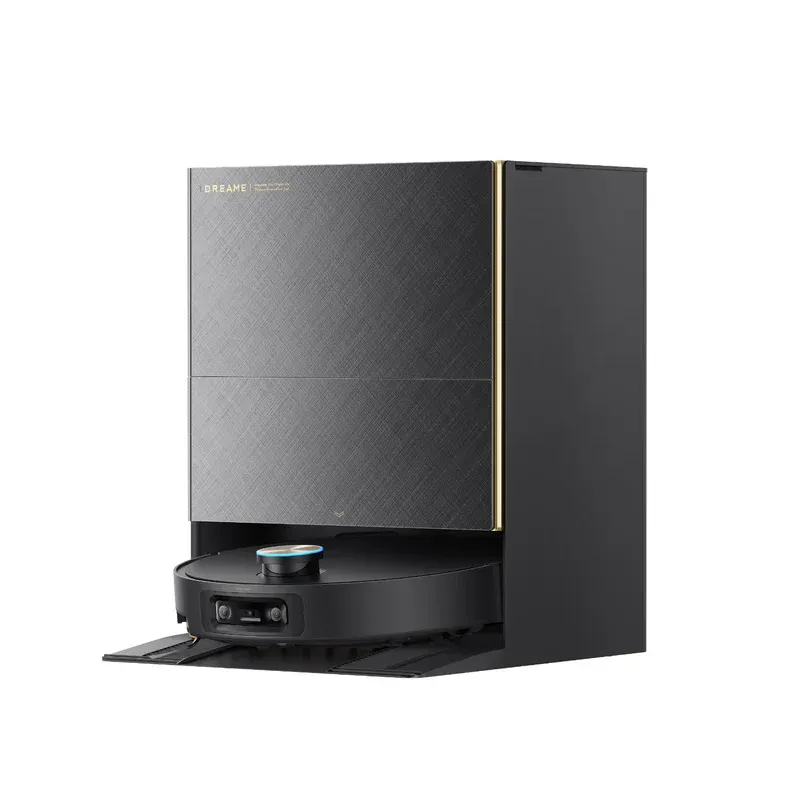
Dreame
Dreame X60 Max Ultra Complete
Model: X60 Max Ultra Complete
If self-emptying is the floor and you want the ceiling, this is it. The full Omni dock does not just empty the dust bin; it also washes the mop pads in hot water, dries them so they do not sour, and refills the clean-water tank. That is the difference between a robot that handles its own dust and one that handles its own dust and mop. It is the most complete dock here, and priced accordingly. Vacuum Wars ranked the X60 their best robot vacuum of 2026.
Eufy
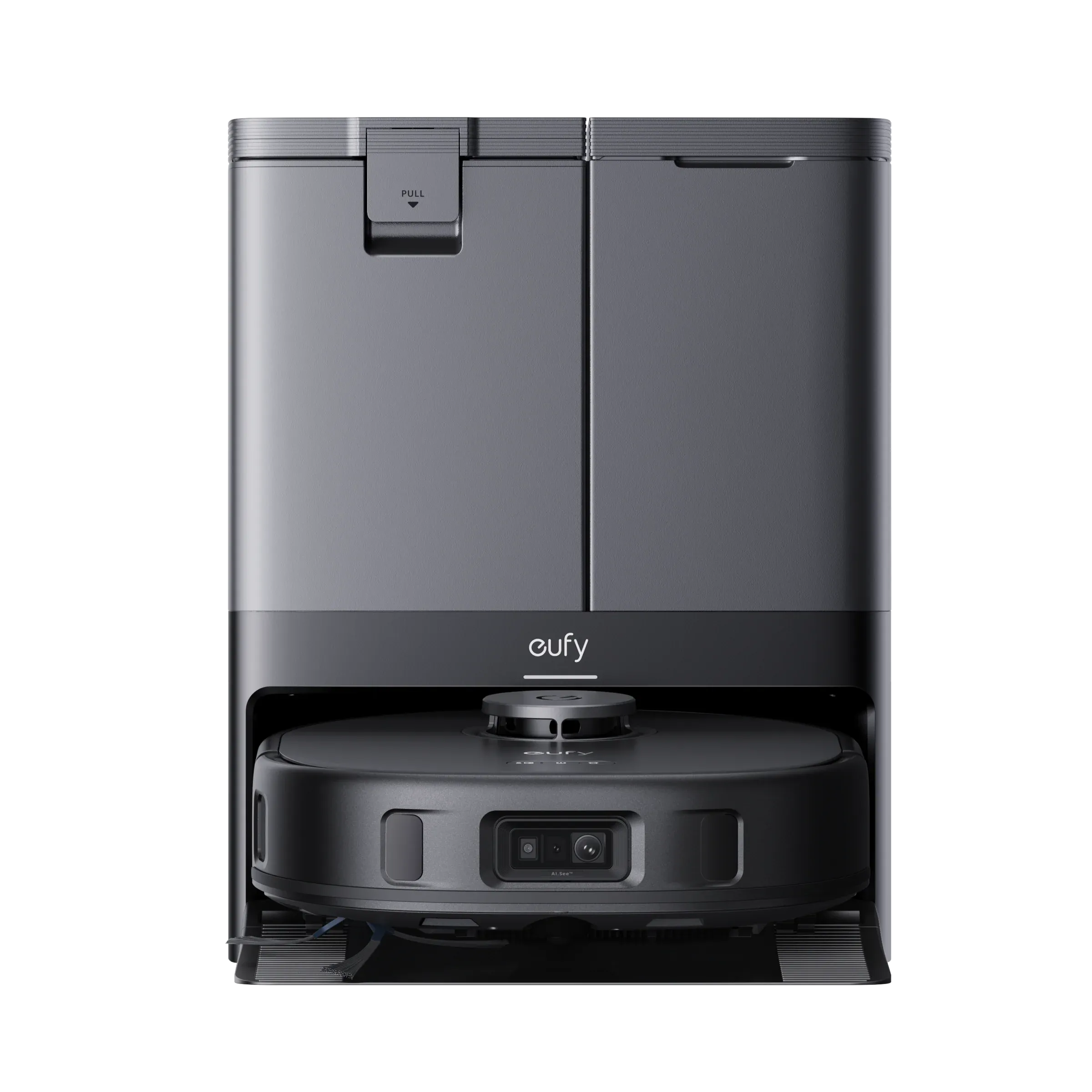
Eufy X10 Pro Omni
Model: X10 Pro Omni
Proof you do not need to spend four figures for a self-emptying robot with a full dock. The X10 Pro Omni self-empties, and its dock also washes and dries the mop and refills the water tank, the same checklist as the flagships, at roughly a third of the price. Navigation and edge cleaning are a notch below the Roborock and Dreame, but for most homes the dock is what you are buying, and this one does the job.
A self-emptying dock is the single feature that decides whether a robot vacuum stays in use or ends up in a closet. The robots themselves are good now. The thing that quietly kills the habit is the onboard bin: it is tiny, it fills in a few days, and emptying it by hand every few days is exactly the friction a robot was supposed to remove. A dock that empties the bin for you turns a twice-weekly chore into a twice-a-month one.
So this guide is about the docks, not just the robots. All three picks are excellent vacuums; what separates them is how much the base station does and what it costs to keep running.
Self-emptying versus a full Omni dock
There are two tiers worth understanding. A plain self-emptying dock empties the dust bin into a larger bag, and that is it. A full Omni dock, which all three picks here have, goes further: it also washes the mop pads, dries them so they do not develop a smell, and refills the clean-water tank. If you only vacuum, the basic version is enough. If you mop, the Omni dock is the difference between a hands-off machine and one that leaves you wringing out a dirty pad.
The running cost nobody mentions
Most self-emptying docks use a replaceable dust bag, and that is a small ongoing expense the sticker price hides. Budget roughly $20 to $40 a year for bags depending on how much your home sheds. A few docks let you skip the bag and rinse a bin instead, which costs nothing but adds a step. It is not a big number, but it is worth knowing before you buy, the same way you would factor printer ink.
How the picks sort out
The Roborock Saros 10R is the default: a flagship that empties itself and cleans every surface well. The Dreame X60 Max Ultra has the most complete dock here, washing and drying the mop in hot water on top of emptying the bin, which is why it carries the highest price. The Eufy X10 Pro Omni proves you do not need to spend four figures, delivering the same self-empty-and-wash checklist for roughly a third of the money.
For the full cross-surface picks, see our main robot vacuum guide, and if mopping is your priority, our mop-combo guide goes deeper on mop quality. But if a hands-off dock is the feature you are buying for, start with the Roborock Saros 10R, step up to the Dreame X60 for the best dock, or save with the Eufy X10 Pro Omni.
Frequently asked questions
How often do I actually empty a self-emptying robot vacuum?
What do the dock bags cost?
What is the difference between self-emptying and a full Omni dock?
Is a self-emptying dock worth it?
What is the cheapest self-emptying robot vacuum?
Sources
Every claim in this guide that isn't first-person experience is traceable to one of the sources below. URLs verified at publication; some may rot. Let us know if so.
- The Best Robot Vacuums of 2026 · RTINGS
- Top 20 Best Robot Vacuums in 2026 · Vacuum Wars
- Best Robot Vacuums 2026, Tested and Rated · Tom's Guide